


We live in a period of globalization, when knowledge of foreign languages is a daily necessity for everyone. Foreign languages help us communicate in any situation with representatives of a given culture. Everyone knows the saying, "A person is as much a person as the number of languages they know."
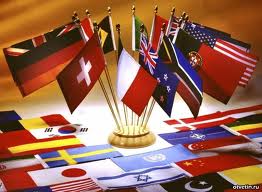 There's a great deal of truth in this saying. After all, when learning any language, in addition to acquiring a set of grammatical structures and a certain vocabulary, one gains a general understanding of the native speakers' culture, temperament, and even habits. While such assessments are unreliable and often rooted in stereotypes, they do allow one to grasp certain "features" of a people. In the past, someone who spoke at least several languages was already called a polyglot. Today, having at least two languages in one's cultural background is one of the requirements dictated by society.
This is quite logical, as today there are numerous opportunities to learn virtually any language. The most stringent requirement in the modern world is mandatory knowledge of English, which tops the list of the most widely spoken languages. Therefore, when people begin learning a third language, they increasingly choose more "exotic" options. Of course, European languages remain popular.

But there are people emerging who are fluent in Japanese or speak Chinese fluently. This can partly be explained by the growing economic influence of Eastern countries, especially China, on the global stage. But beyond this obvious factor, Eastern languages are interesting, unfamiliar, and therefore attractive.
Our company is ready to provide you with the opportunity to learn any foreign language.